
Roofing in the Winter: Why the Off-Season Is One of the Smartest Times to Act

Jan 9
3 min read

When most homeowners think about roofing, they picture spring and summer. Warm days, long daylight hours, and clear forecasts feel like the “right” time for exterior work. Because of that, winter often gets written off as a dead season for roofing.
In reality, winter is one of the most important times to pay attention to your roof, and in many cases, it is still a perfectly viable time to install one.
What Winter Weather Does to Your Roof
Winter is demanding on roofing systems. Snow, ice, cold temperatures, and repeated freeze-thaw cycles place stress on materials in ways that don’t happen during the rest of the year.
As temperatures fluctuate, roofing components expand and contract. This movement can loosen fasteners, expose nail heads, and worsen small issues around flashing, vents, and chimneys. Snow buildup can hide damage until melting begins, which is often when leaks first become visible inside the home.

Many homeowners first notice winter roof problems through subtle warning signs: a faint water stain on a ceiling, a damp attic smell, or ice forming where it shouldn’t. These are often symptoms of existing vulnerabilities rather than new damage.
Winter doesn’t usually create problems from scratch. It reveals the ones that were already there.
Yes, Roofs Can Still Be Installed in Winter
One of the biggest misconceptions about roofing is that installation is impossible during colder months. The truth is more nuanced.
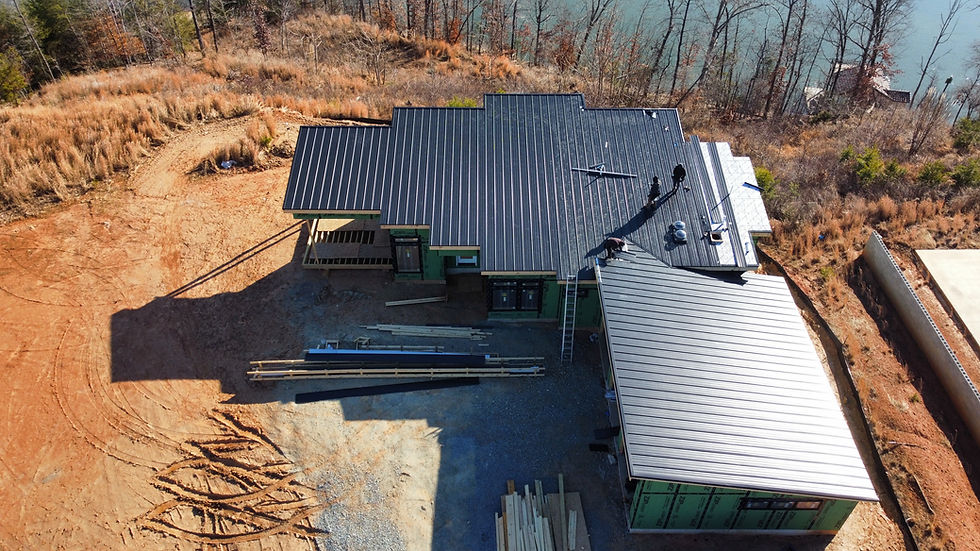
With good weather days, new roofs can absolutely be installed during winter. Clear, dry conditions combined with safe temperatures allow experienced crews to complete full roof replacements while following manufacturer guidelines.
Modern roofing materials are engineered to perform across a wide range of temperatures when handled correctly. Manufacturers like GAF provide specific installation standards for cooler weather, and professional contractors plan accordingly. That means proper storage of materials, correct sealing methods, and careful timing.
Winter roofing is less about rushing and more about precision. Jobs are scheduled around weather windows rather than packed back-to-back, which often results in a more controlled, detail-focused installation.
What Changes in Winter Isn’t Quality, It’s Pace
The biggest difference between winter roofing and peak-season roofing is not workmanship. It’s scheduling.
Shorter days and unpredictable weather require flexibility. Crews may pause work when conditions aren’t safe or optimal, then resume when the forecast improves. This deliberate approach protects both the home and the crew while ensuring the roof is installed correctly.
Because winter schedules are more intentional, details like flashing, ventilation, underlayment, and sealing often receive extra attention. There’s less pressure to rush to the next job, which benefits long-term performance.
The Strategic Advantage of Winter Roofing
Winter offers several advantages for homeowners who are thinking ahead.
First, inspections during winter are incredibly valuable. Cold weather and melting snow expose weaknesses quickly, making it easier to identify issues before they turn into costly spring emergencies.
Second, planning early helps you avoid peak-season delays. Spring storms often bring a surge of emergency repairs and replacements. Homeowners who wait until then may face longer lead times. Addressing your roof in winter puts you ahead of that curve.
Third, winter planning allows for informed decisions rather than rushed ones. Instead of reacting to a sudden leak, you have time to review options, understand materials, and schedule work under favorable conditions.
When Winter Roofing Makes Sense
Winter installation may be a good option if:
Your roof is nearing the end of its lifespan
You are experiencing active leaks or recurring issues
Storm damage has compromised flashing or shingles
You want to plan ahead before spring demand increases


Comments