

Roofing Inspection Methodology

A Practical and Technical Guide to Evaluating Roof Systems, Lifespan, and Workmanship
The roof of a home is not just another component. It is one of the most capital-intensive systems a homeowner will ever replace, and it serves as the primary barrier between the structure and the environment. Because of that, understanding how a roofing system functions, how it fails, and how to evaluate its remaining lifespan is critical for both homeowners and professionals.
A proper roof inspection is not a surface-level glance. It is a structured evaluation of materials, installation quality, environmental exposure, and time-based degradation. When performed correctly, it allows you to make informed decisions about repair versus replacement, anticipate future costs, and avoid catastrophic failure.
This guide outlines a comprehensive methodology for inspecting residential roofing systems, with a focus on asphalt shingles and common sloped roofing assemblies.
1. System-Based Thinking: What a Roof Actually Is
Before inspection begins, it is important to understand that a roof is not a single material. It is a layered system designed to shed water, resist environmental forces, and protect structural components.
A standard roofing system includes:
Roof covering (shingles, metal, tile, etc.)
Underlayment (synthetic or felt)
Flashing and sealants
Decking (OSB or plywood)
Ventilation system (ridge vents, soffits)
Drainage components (gutters, drip edge)
Failure in any one of these layers can compromise the entire system. Inspection must therefore evaluate both surface conditions and indicators of subsurface failure.
2. Roof Type and Baseline Lifespan
The first step in any inspection is identifying the type of roofing system. This establishes the expected service life and provides a baseline for evaluating current condition.
Common roofing systems and typical lifespan ranges:
3-tab asphalt shingles: 15 to 20 years
Architectural asphalt shingles: 25 to 35 years
Standing seam metal: 40 to 70 years
Corrugated metal: 25 to 45 years
Clay or concrete tile: 50 to 100 years
Slate: 75 to 150+ years
Wood shake: 20 to 40 years
Synthetic composite roofing: 30 to 50 years
Flat roofing systems (EPDM, TPO): 20 to 30 years
These ranges assume proper installation and average environmental exposure. Poor workmanship or extreme conditions can significantly shorten these timelines.
From an inspection standpoint, the goal is to determine where the roof falls within its lifecycle curve: early-stage, mid-life, late-stage, or failure.
3. Environmental Degradation Analysis
A roof does not fail randomly. It degrades predictably under environmental stressors. Understanding these forces allows for more accurate lifespan estimation.
UV Radiation
Ultraviolet exposure breaks down asphalt binders in shingles over time. This leads to:
Granule detachment
Brittleness
Reduced flexibility
UV degradation is cumulative and accelerates with age.
Thermal Cycling
Daily expansion and contraction create mechanical stress within materials. Over years, this leads to:
Microfractures
Sealant failure
Fastener loosening
Wind Loading
Wind creates uplift forces that test the integrity of fastening systems and adhesive bonds. Indicators include:
Lifted or creased shingles
Missing tabs
Compromised ridge caps
Hail Impact
Impact events displace protective granules and expose underlying asphalt or fiberglass matting. These impacts are often subtle but structurally significant.
Moisture Intrusion
Water infiltration is the most destructive force in roofing systems. It leads to:
Deck rot
Mold growth
Structural weakening
A key principle: water always follows the path of least resistance. Installation errors accelerate this process.
4. Granule Loss as a Lifespan Indicator
Granules serve as the primary UV protection layer for asphalt shingles. Their condition is one of the most reliable indicators of roof age and remaining life.
Functional Role of Granules
Granules are typically composed of materials such as:
Crushed stone
Ceramic-coated minerals
Slate or quartz derivatives
They protect the asphalt layer from UV degradation and physical wear.
Inspection Indicators
Uniform granule coverage: Early to mid-life
Moderate granule loss: Approaching 70 to 80 percent of lifespan
Heavy granule loss with asphalt exposure: End of life
Exposed fiberglass matting: Failure stage
Granule accumulation in gutters is a secondary indicator but should not be evaluated in isolation.
A critical point often missed: granule loss is not always linear. Poor installation, excessive foot traffic, or manufacturing defects can accelerate deterioration early in the lifecycle.
5. Flashing and Waterproofing Integrity
Flashing is one of the most failure-prone components in a roofing system and one of the most important to inspect.
Function
Flashing redirects water away from penetrations and transitions, including:
Chimneys
Skylights
Valleys
Roof-to-wall intersections
Common Deficiencies
Missing flashing
Improper lapping sequence
Sealant-only repairs without mechanical flashing
Corrosion or physical damage
A properly installed flashing system follows a layered, gravity-driven design where each component overlaps the next in a way that directs water outward.
If water can get behind flashing, it will.
6. Workmanship Evaluation
Installation quality is often the single largest variable in roof lifespan. Two identical materials can perform drastically differently depending on workmanship.
Key Areas to Evaluate
Lapping Technique
Improper overlap of materials creates direct pathways for water intrusion.
Fastener Placement
Incorrect nail placement can:
Reduce wind resistance
Cause shingle slippage
Lead to premature failure
Material Integration
All components must work together. Missing underlayment, improper drip edge installation, or absent ice and water shield are indicators of poor system design.
Alignment and Layout
Irregular shingle patterns, inconsistent exposure, and poor ridge alignment suggest inexperience or rushed installation.
7. Structural and Decking Considerations
A roof inspection is not complete without considering what lies beneath the surface.
Decking Condition
Indicators of compromised decking include:
Soft spots underfoot
Sagging roof lines
Visible depressions
Decking failure often results from prolonged moisture exposure and is typically hidden until advanced.
Layering Violations
Most building codes limit roofing systems to two layers of shingles. Additional layers increase:
Structural load
Heat retention
Difficulty of future repairs
Multiple layers also prevent proper inspection of underlying conditions.
8. Vegetation and External Influences
Trees and surrounding vegetation play a significant role in roof degradation.
Risks from Trees
Physical abrasion from branches
Impact damage during storms
Organic debris accumulation
Increased moisture retention
Shaded areas are also more susceptible to:
Algae growth
Moss and lichen formation
While these may initially appear cosmetic, they can trap moisture and accelerate material breakdown over time.
9. Observable Aging Indicators
A structured inspection includes identifying visible signs of aging and failure.
Common Indicators
Curling or cupping shingles
Buckling or waviness
Cracking or splitting
Missing or displaced shingles
Exposed nail heads
Discoloration and staining
Each of these conditions reflects underlying mechanical or environmental stress.
10. Historical Data and Documentation
Understanding the history of a roof significantly improves inspection accuracy.
Key Information Sources
Installation records
Contractor details
Warranty documentation
Repair history
Building permits
A roof with a known installation date and documented maintenance history is far easier to evaluate than one with unknown origins.
11. The 25 Percent Rule
A widely accepted guideline in roofing evaluation is the 25 percent rule:
If more than 25 percent of the roof requires repair, full replacement should be strongly considered.
This is not arbitrary. It reflects the diminishing returns of repair work on aging systems. At a certain point, patching becomes less cost-effective than replacement, particularly when considering labor duplication and system integrity.
12. Estimating Remaining Lifespan
Determining remaining lifespan is not an exact science, but it can be approached methodically.
Key Variables
Material type and expected lifespan
Current condition of protective layers
Presence of installation defects
Environmental exposure
Maintenance history
A simplified model:
0 to 30 percent of lifespan used: Minimal degradation
30 to 70 percent: Moderate wear, maintenance phase
70 to 90 percent: Late-stage, plan for replacement
90 to 100 percent: Failure imminent or occurring
The goal is not to predict an exact date but to define a realistic planning window.
13. Maintenance as a Lifespan Multiplier
Regular maintenance significantly extends the functional life of a roofing system.
Recommended Practices
Annual visual inspections
Post-storm assessments
Gutter cleaning
Debris removal
Tree trimming
Maintenance does not stop aging, but it slows the progression of failure.
14. Professional Inspection vs. Visual Assessment
While homeowners can identify surface-level issues, a professional inspection provides:
Structural evaluation
Material-specific analysis
Identification of hidden defects
Accurate lifespan estimation
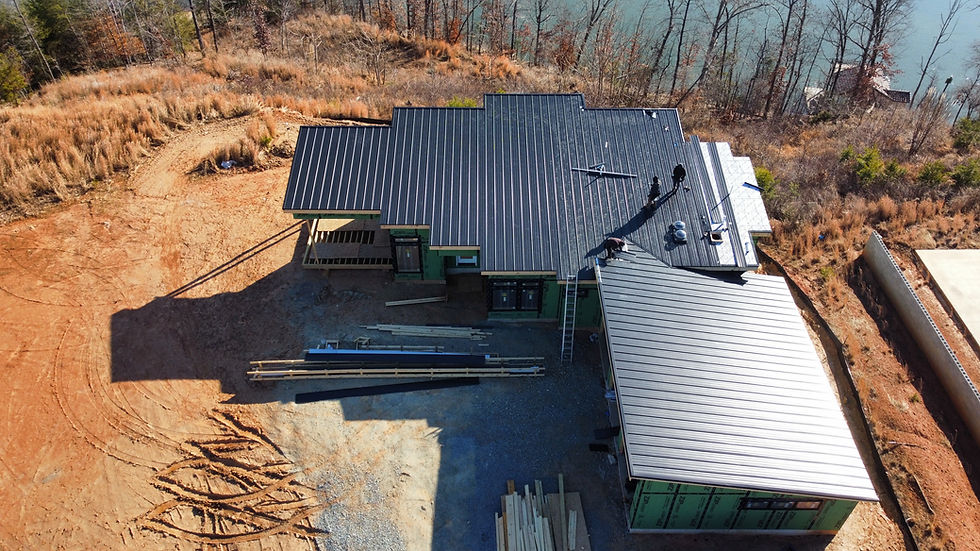
Professional inspectors combine physical access with tools such as aerial imaging to assess all roof slopes and conditions.
15. Why Roof Age Matters
Knowing the age and condition of a roof directly impacts:
Property value
Insurance considerations
Budget planning
Risk management
A failing roof is not just a maintenance issue. It is a liability that can lead to structural damage, interior loss, and significantly higher repair costs if ignored.
Conclusion
A roofing system is a complex, layered assembly that degrades over time under environmental stress and mechanical use. Proper inspection requires a systematic approach that evaluates material condition, installation quality, environmental exposure, and historical context.
Understanding these factors allows homeowners to make informed decisions about maintenance, repair, and replacement. It transforms roofing from a reactive expense into a managed asset.
Knowing the age of your roof is one of the most important steps in maintaining your home’s safety and long-term value. If there is any uncertainty, a professional inspection is always the best course of action.
When you track your roof’s condition and act proactively, you protect not just the structure itself, but everything beneath it.
If you need a professional evaluation, reach out to schedule a free inspection.


Comments